
-
Custom HDPE
Regular price €0,01 EURRegular priceUnit price per -
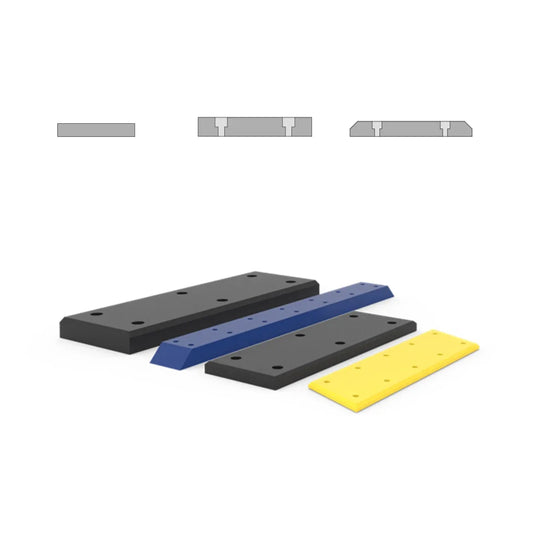
HDPE sheets
Regular price €0,01 EURRegular priceUnit price per -
HDPE strips
Regular price €0,01 EURRegular priceUnit price per -
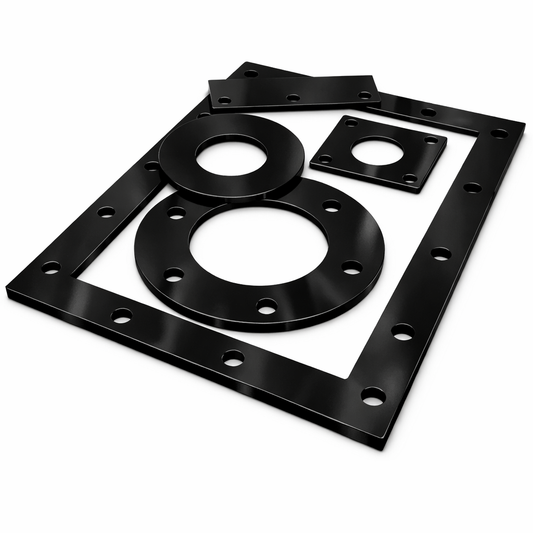
HDPE gaskets
Regular price €0,01 EURRegular priceUnit price per -
Custom HDPE gaskets
Regular price €0,01 EURRegular priceUnit price per


FAQ
What is the difference between PE and HDPE?
PE (polyethylene) is a general term for a family of plastics. HDPE (High-Density Polyethylene) is a specific type
of PE with a higher density. Compared to standard PE, HDPE has a more compact molecular structure, which results
in higher strength, stiffness, and chemical resistance.
What adheres to HDPE?
HDPE has a low surface energy, which makes it difficult for most adhesives to bond effectively. Standard glues and
sealants usually do not adhere well. For reliable bonding, surface treatment such as flame treatment, corona
treatment, or mechanical fastening is commonly used. Specialized adhesives designed for polyolefins may also be
suitable.
What does HDPE stand for?
HDPE stands for High-Density Polyethylene. The name refers to the high density of the material
compared to other polyethylene types, which contributes to its strength anding durability.
What is an HDPE sheet?
An HDPE sheet is a flat, solid plastic panel made from high-density polyethylene. HDPE sheets are widely used in
industrial, construction, and technical applications due to their impact resistance, moisture resistance, and
chemical stability.
What is the lifespan of HDPE?
HDPE has a long service life. In many applications, it can last several decades. The exact lifespan depends on
factors such as mechanical load, environmental exposure, UV radiation, and temperature. When used under normal
conditions, HDPE is considered a highly durable material.
Is PE-HD the same as HDPE?
Yes, PE-HD and HDPE refer to the same material. PE-HD is the European designation, while HDPE is the commonly used
international abbreviation. Both describe high-density polyethylene.
How can HDPE be cut?
HDPE can be cut using common woodworking or plastic-processing tools. Circular saws, band saws, jigsaws, and CNC
machines are all suitable. Sharp blades and moderate cutting speeds help achieve clean edges and prevent material
melting.
How can HDPE be joined?
HDPE can be joined using several methods, depending on the application. Common techniques include welding (such as
extrusion welding or butt welding), mechanical fastening, and snap-fit constructions. Adhesive bonding is less
common due to the material’s low surface energy.
How strong is HDPE?
HDPE is a strong and impact-resistant plastic. It offers high tensile strength relative to its weight and performs
well under repeated mechanical stress. While it is not as rigid as some engineering plastics, its toughness and
flexibility make it suitable for demanding applications.
Related product groups
-

Polyethylene (PE)
What is polyethylene (PE)? Polyethylene (PE) is a widely used thermoplastic polymer...
-
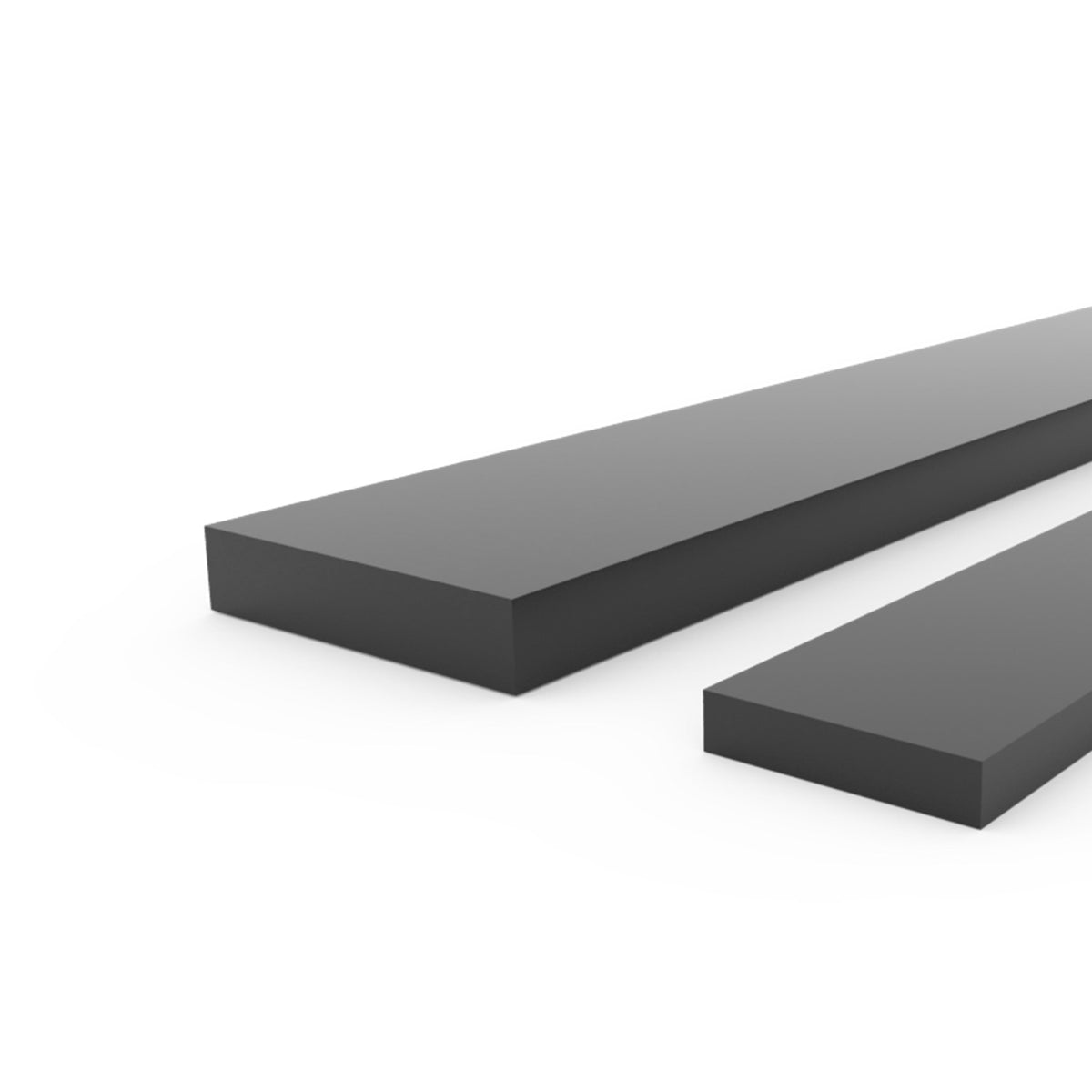
Plastic Strips
What are plastic strips? Plastic strips, sometimes referred to as polymer strips...
-
Plastic Strips
What are plastic strips? Plastic strips, sometimes referred to as polymer strips...


