
Skip to product information
1 of 1

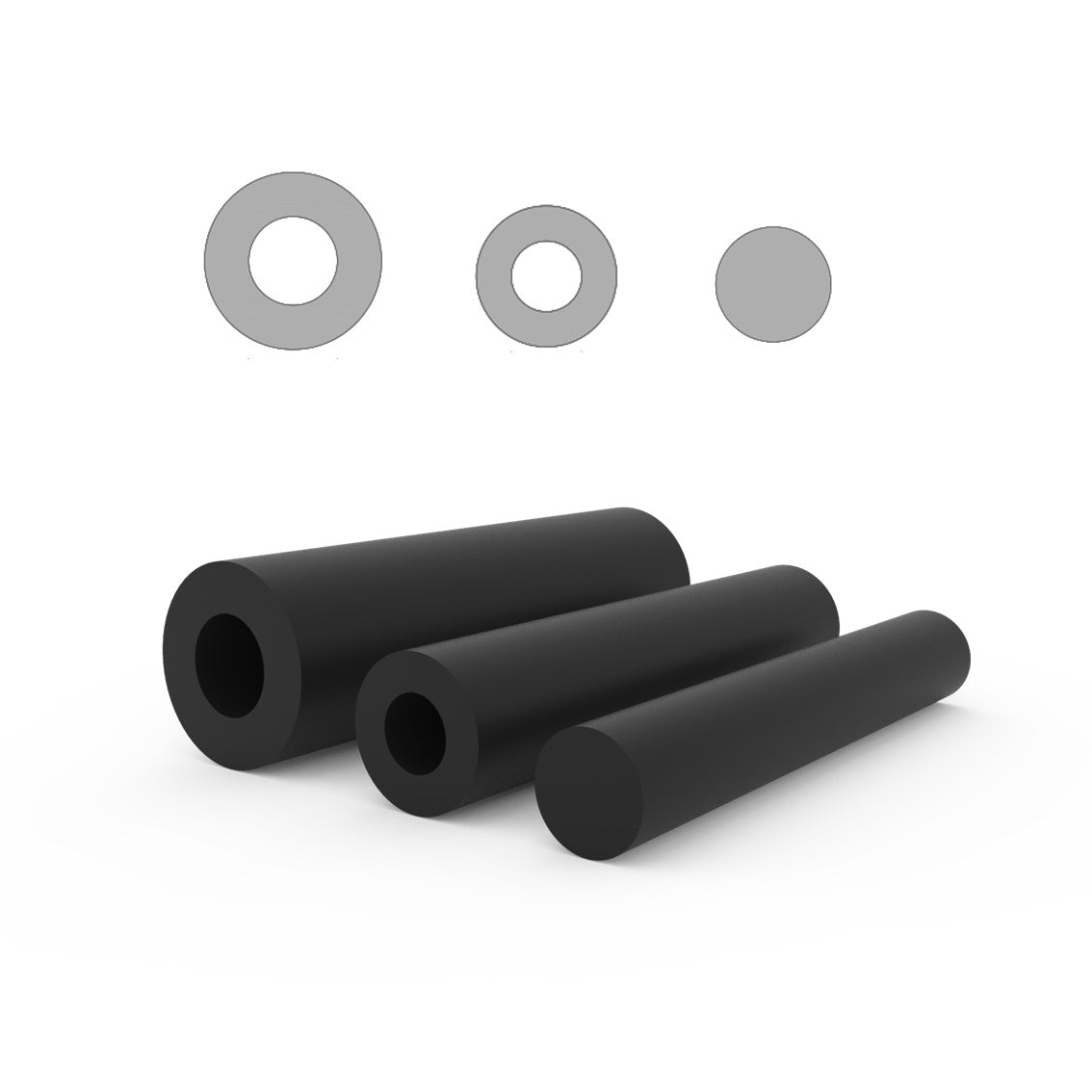
Cylindrical fenders

Cylindrical fenders

Cylindrical fenders provide linear impact absorption for vessel-to-structure contact and are suitable for berthing applications. Manufactured from durable elastomer compounds, these cylindrical quay fenders offer consistent energy absorption and low hull reaction. Available in diameters and lengths matched to craft from under 4 metres to vessels exceeding 12 metres, they suit small boats through larger recreational and workboats. Typical specifications include closed-cell foam cores or solid rubber construction, standard mounting details and options for reinforced end fittings.

Full range and dimensional data are listed in our Cylindrical fenders collection. For specification support or material selection guidance, contact our technical team.

We can supply Cylindrical fenders in virtually any design and specification.

Custom production is possible based on technical drawings, material requirements, or performance criteria.

Most standard sizes are available from stock.

Contact us to discuss your requirements, and our technical specialists will guide you through the entire development and production process.
View full details

Contact us

We can manufacture many more custom products than those displayed on our website.

Contact us to discover all the possibilities if you didn't find what you are looking for.

Cylindrical fenders: product overview

Cylindrical fenders are a common choice for soft, forgiving contact between vessels and fixed structures. They are available in a range of diameters, lengths and materials to suit different hull types and mooring arrangements. RuplaTec supplies a selection of cylindrical fenders and related accessories; details on available types and sizes can be found in the cylindrical fenders collection. The stocked range covers small craft through to larger recreational and workboats, with items suitable for vessels from around 4 metres to over 12 metres in length.

Applications and sizing for cylindrical quay fenders

Cylindrical quay fenders are used in berthing, berth protection and alongside-fendering applications where a linear contact profile is required. Selection typically considers vessel length, displacement, berthing speed and required energy absorption. Installation context—such as deck, quay or pontoon mounting—and attachment method influence the appropriate diameter, length and hardness. For procurement and specification, confirm the intended operating conditions so that size and material choices align with the expected loads and mounting arrangement.

Technical information and procurement guidance

Technical data, material options and installation accessories may be available on request to support specification and tender documentation. Consider maintenance access, inspection intervals and repairability when comparing alternatives. If assistance is needed in assessing suitability or specifying fender dimensions and mounting details, contact our team for advice and to request technical information relevant to your project.

FAQ

What are cylindrical fenders and what applications are they suitable for?

Cylindrical fenders are tubular impact-absorbing devices used to protect vessels and berthing structures during mooring and berthing operations. They provide a uniform contact surface and are typically specified where rolling or sliding contact between hull and berth is expected. These fenders are used on small craft through to larger vessels and on piers, quays and workboats. When evaluating suitability, consider berthing dynamics, vessel freeboard and mounting arrangement. For application-specific guidance, you can contact our team for technical advice.

How do cylindrical quay fenders differ from other fender profiles?

Cylindrical quay fenders offer a consistent curvature and contact area that differs from panel, cone or pneumatic profiles. This shape promotes even load distribution along the contact surface and can accommodate lateral movement during berthing. Selection between cylindrical quay fenders and alternative profiles depends on vessel type, berthing angle, expected impact energy and quay construction. These factors influence contact pressure and deformation behavior. Our technical team can advise on profile selection based on operational requirements.

What materials and maintenance practices are recommended for cylindrical fenders?

Cylindrical fenders are manufactured from materials formulated for marine environments that resist abrasion, UV exposure and deformation under load. Routine maintenance typically includes visual inspection for surface damage, checking attachment hardware and cleaning to remove debris or contaminants that could accelerate wear. Inspect mountings and replace components showing significant deterioration. For specific material performance or maintenance intervals appropriate to your operational conditions, consult our team for tailored recommendations.

How should I select the correct cylindrical fender for a vessel or quay?

Selecting an appropriate cylindrical fender requires assessment of vessel characteristics, berthing conditions, mooring arrangements and quay structure. Key considerations include expected contact points, relative motion during berthing, allowable hull pressure and mounting options. Environmental factors such as tidal range and currents also influence choice. Decisions about hardness, profile and attachment method should be based on these operational parameters. If you require assistance evaluating these factors, our team can provide technical support to determine an appropriate solution.