
Skip to product information
1 of 1

Rubber matting

Rubber matting

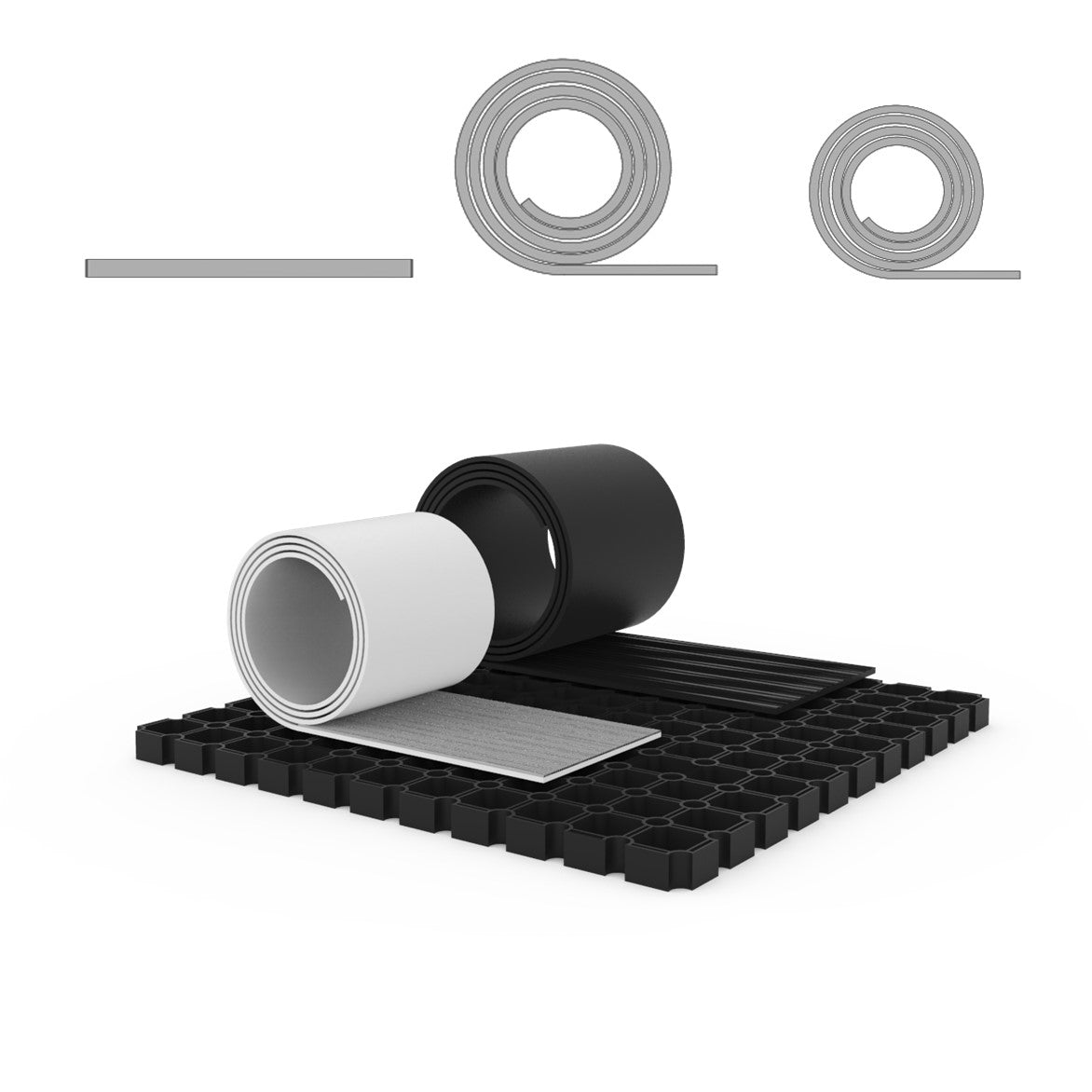
Rubber matting is supplied in a variety of constructions and thicknesses including anti-fatigue standing mats, rubber rolls, heavy-duty sheets and weather-resistant outdoor mats. Materials are available in different durometers and surface profiles to provide slip resistance, abrasion and oil/chemical resistance. A heavy duty rubber mat option provides enhanced load-bearing capacity, tear resistance and dimensional stability for industrial floors.

Typical applications include assembly lines, machine bases, loading bays, walkways and wet work areas; mats are available in cut sizes, rolls or modular formats. For material selection, hardness specification or thermal limits consult our technical team or review the rubber matting collection. Choose an appropriate rubber mat to meet operational requirements and service conditions.

We can supply Rubber matting in virtually any design and specification.

Custom production is possible based on technical drawings, material requirements, or performance criteria.

Most standard sizes are available from stock.

Contact us to discuss your requirements, and our technical specialists will guide you through the entire development and production process.
View full details

Contact us

We can manufacture many more custom products than those displayed on our website.

Contact us to discover all the possibilities if you didn't find what you are looking for.

Rubber mat types and sizes

Rubber matting is supplied in a range of constructions to suit industrial and marine applications, including anti-fatigue standing mats, rubber rolls, heavy-duty mats and weather-resistant outdoor mats. Standard formats include sheet sizes, rolls and modular tiles, with thicknesses and surface profiles selected according to application. RuplaTec supplies technical rubber and plastic products and can offer guidance on matching a rubber mat to site conditions. See the broader rubber matting collection for typical formats and options: rubber matting collection.

Heavy duty rubber mat selection and industrial applications

Selection of a heavy duty mat or heavy duty rubber mat typically considers static and dynamic load, abrasion resistance, slip performance, chemical exposure and required drainage or anti-fatigue properties. Installation factors such as edge profiling, perimeter fixing and cut-to-size requirements are also relevant. Material compounds, durometer and textured finishes can affect wear and grip; specific compound performance data can be requested where available. Rubber mats are used in shipyards, workshops, loading areas and production lines where impact and mechanical stresses are common. For application-specific advice or to discuss custom sizes and tolerances, contact our team who can discuss typical industry practices and provide further technical information on request.

FAQ

What types of rubber matting are available and how do they differ?

Rubber matting is offered in several types to address different operational needs: anti-fatigue standing mats for personnel comfort, rubber rolls for continuous floor coverage, heavy-duty mats for high-load or impact applications, and weather-resistant outdoor mats for external exposure. Differences arise from compound formulation, surface profile, thickness and intended use—such as slip resistance, drainage or electrostatic properties. Selection should be based on the environment and functional requirements; contact our team for technical advice if needed.

How do I choose a heavy duty rubber mat for industrial use?

Selecting a heavy duty rubber mat requires assessment of load, traffic patterns and exposure to chemicals or oils. Key factors include slip resistance, surface profile, edge treatment and compatibility with the floor substrate. Consider whether rubber rolls, interlocking heavy duty mats or modular tiles better suit cleaning, drainage and load distribution needs. Environmental conditions such as temperature range and UV exposure influence compound choice. Our team can provide application-specific recommendations to ensure the selected heavy duty rubber mat meets operational requirements.

What are the recommended cleaning and maintenance practices for a rubber mat?

Routine cleaning preserves performance and extends the service life of rubber matting. Remove loose debris by sweeping or vacuuming, then wash with low-pressure water and a mild detergent compatible with rubber compounds. Avoid solvents, abrasive chemicals and high-pressure washing that can accelerate degradation. For outdoor or heavy-duty mats, inspect edges and drainage channels regularly and remove standing water. Maintain a documented inspection and cleaning schedule; contact our team for guidance on suitable cleaning agents and procedures for specific rubber mat types.

Can rubber matting be used outdoors and what weather-resistant options exist?

Rubber matting can be specified for outdoor applications when manufactured from weather-resistant compounds and designed with appropriate drainage and UV-stable surfaces. Weather-resistant outdoor mats and select heavy duty mats use formulations that resist ozone and temperature cycling; surface textures and drainage channels mitigate slip risk and pooling. Installation considerations include anchoring, edge details and substrate compatibility. If environmental exposure or load conditions are uncertain, contact our team for specification advice to choose a suitable rubber mat solution for outdoor use.