
Skip to product information
1 of 1

Electrical safety matting

Electrical safety matting

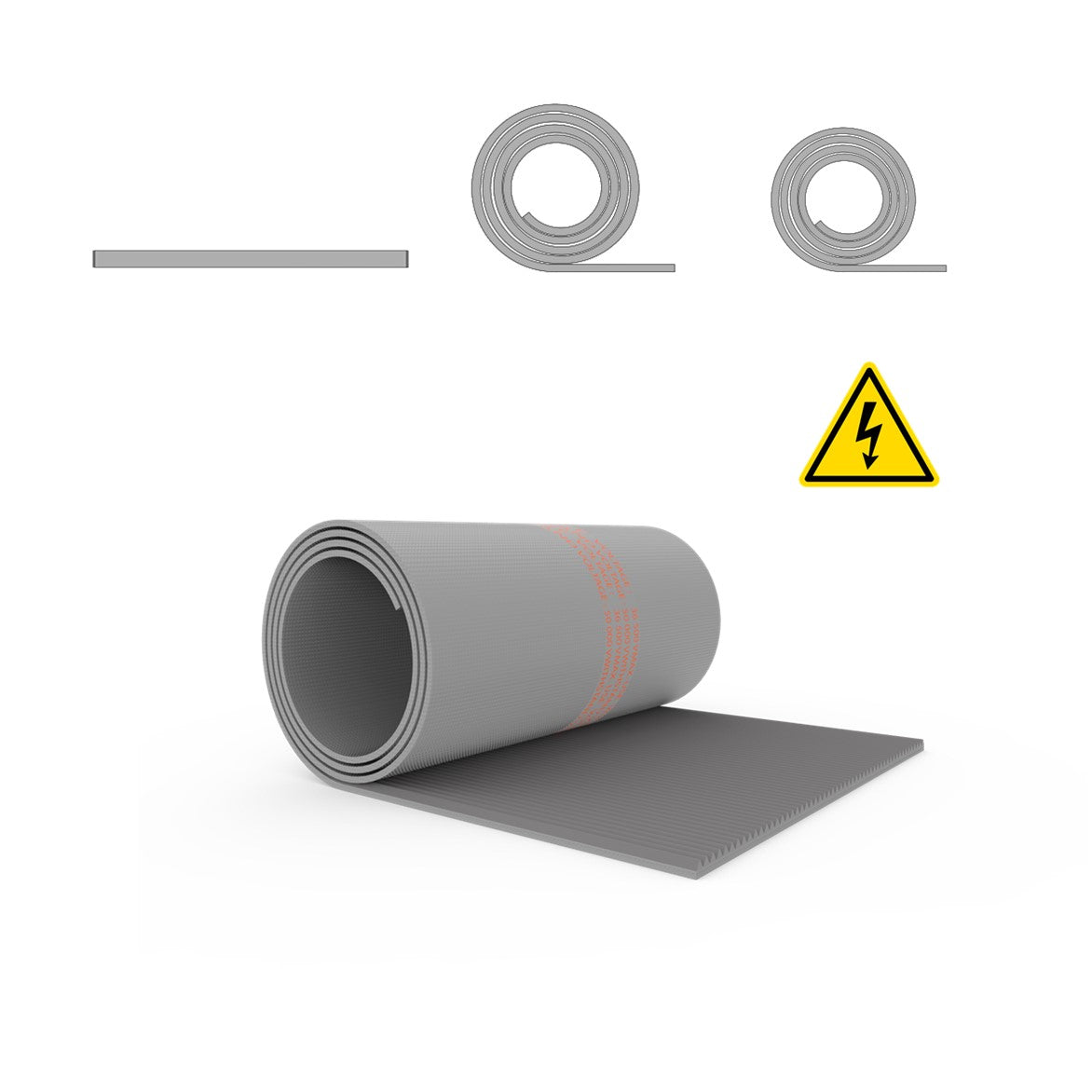
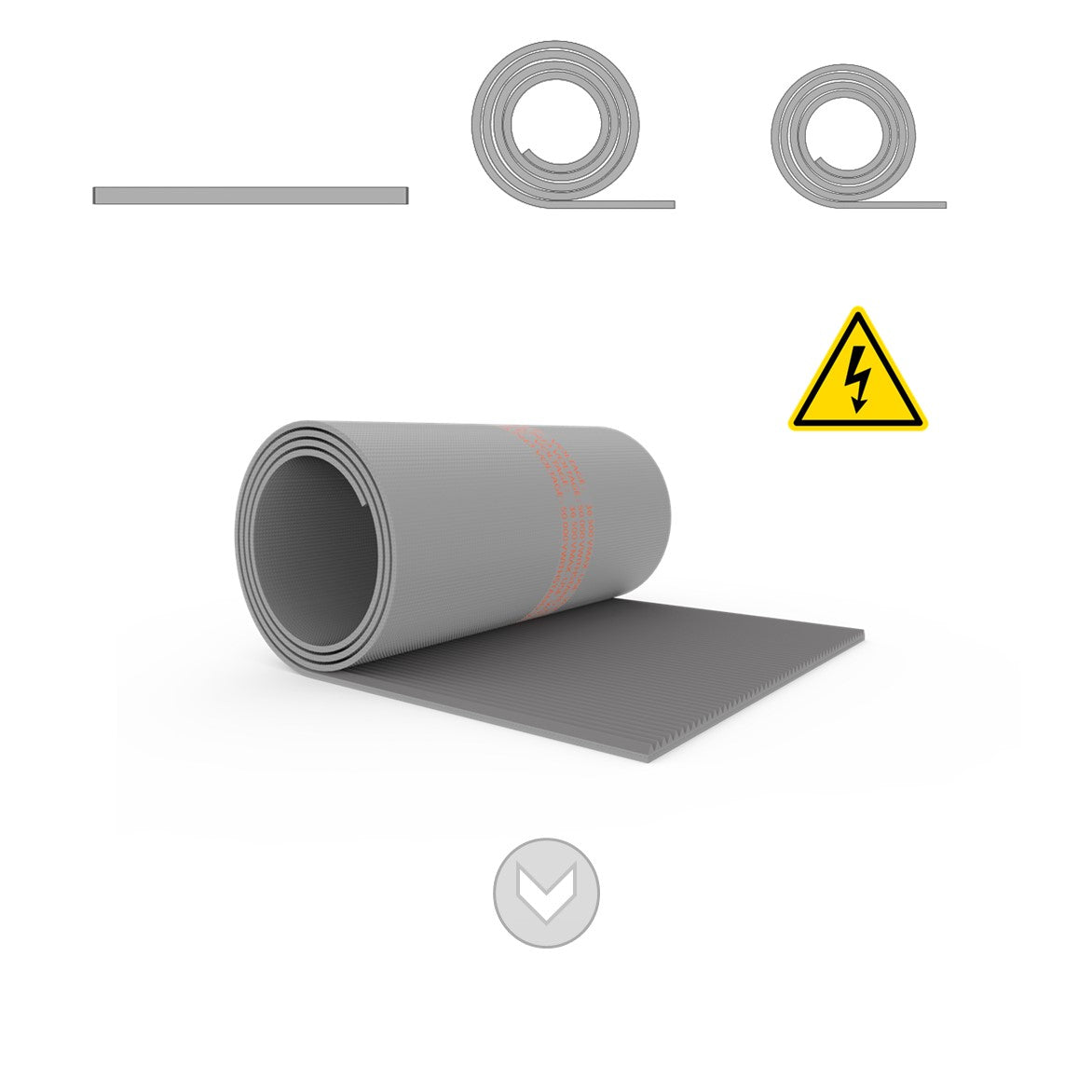
Electrical safety matting is available in a full range of sizes and rubber grades, rated from 450 V to 36,000 V. Manufactured to meet IEC 61111:2009 requirements and supplied in rolls, tiles or bespoke-cut panels, the matting provides dielectric insulation, mechanical durability and oil/chemical resistance. Typical materials include SBR and nitrile rubbers with specified thicknesses to meet voltage class.

Applications include substations, switchrooms, control panels and live-line working areas. For specification data, test certificates or layout guidance consult our product pages: rubber matting collection. Contact our team for technical advice on selection, testing and installation.

We can supply Electrical safety matting in virtually any design and specification.

Custom production is possible based on technical drawings, material requirements, or performance criteria.

Most standard sizes are available from stock.

Contact us to discuss your requirements, and our technical specialists will guide you through the entire development and production process.
View full details

Contact us

We can manufacture many more custom products than those displayed on our website.

Contact us to discover all the possibilities if you didn't find what you are looking for.

FAQ

What is electrical safety matting?


Electrical safety matting, also known as electrical insulating mats, is designed to provide additional protection for people working near electrical equipment. The mats are usually made from rubber or PVC and are placed around switchboards, control panels, or high-voltage equipment areas.

Which standards apply to electrical safety matting?


Most insulating mats are manufactured and tested according to international standards such as IEC 61111 or BS EN 61111. These standards specify the electrical resistance, thickness, and testing methods required for mats used in different voltage environments.

Where is electrical safety matting commonly used?


These mats are often installed in front of switchboards, distribution boards, control panels, and other locations where electrical equipment is operated. They are also used in industrial environments, workshops, and areas where high-voltage systems are present.

Does electrical safety matting need regular inspection?


Yes. Mats should be checked regularly for wear, cuts, or contamination. Even though insulating mats are durable, physical damage or contamination with oil, moisture, or chemicals can affect their performance. It is recommended to follow the inspection and maintenance guidance provided by the manufacturer.

What factors should be considered when choosing electrical safety matting?


Key considerations include the voltage rating, the required standard (IEC 61111, BS EN 61111), the environment where the mat will be used (dry, wet, oily), and the thickness or width of the mat. For detailed specifications, always consult the official product documentation or brochure provided with the mats.

Electrical safety matting — voltage ratings and standards

Matting used for electrical safety is supplied in a range of dielectric grades suitable for low- to high-voltage applications. Typical voltage ratings span from around 450 V up to 36,000 V; material composition and thickness are factors that affect dielectric behaviour. Where required, matting meeting IEC 61111:2009 may be specified or provided on request. Consideration of workplace risk, working voltage and applicable standards is relevant when selecting matting for switchrooms, plant rooms, workshops or marine environments.

Product formats, selection and technical advice

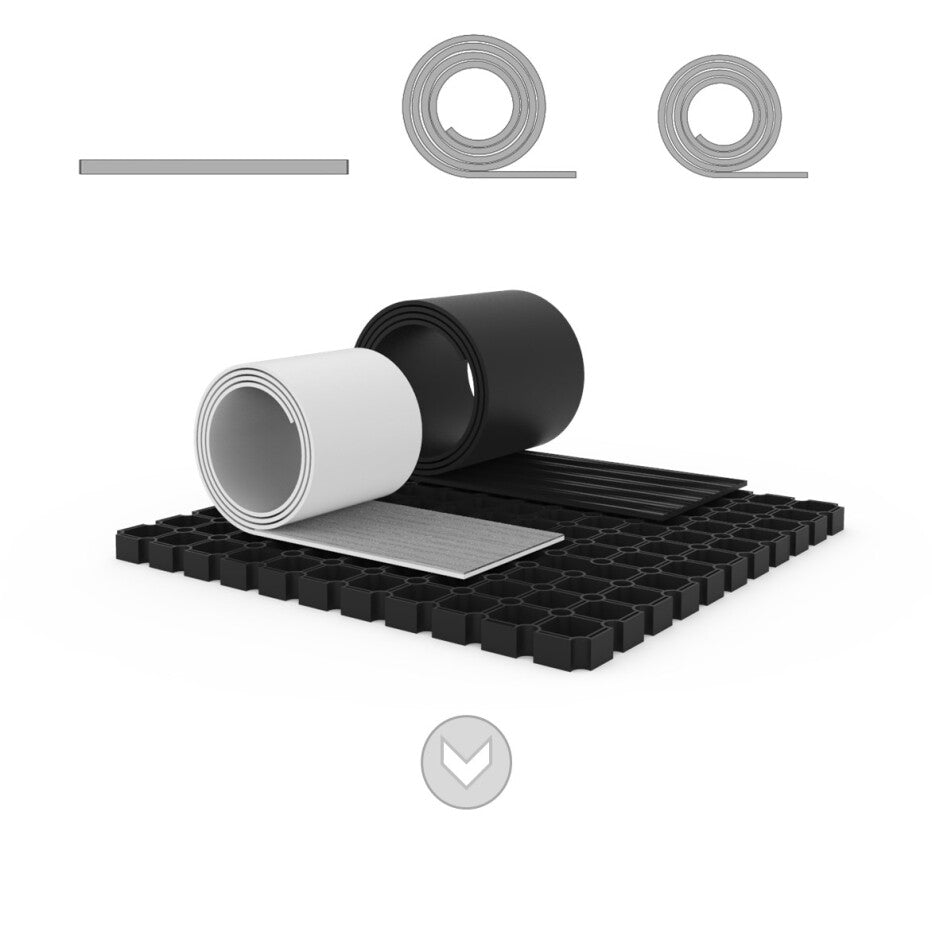
Products are produced in multiple sheet sizes and thicknesses to support different installation layouts, and options for cut-to-size or modular formats can be considered during specification. Laboratory testing data, handling guidance and installation recommendations can be requested to support procurement and compliance checks. For assistance with product selection or to discuss technical requirements, contact the technical team for advice. RuplaTec supplies industrial rubber matting and further information is available in the rubber electrical matting collection.
FAQ

What is electrical safety matting and how does it protect personnel?

Electrical safety matting is an insulating floor covering designed to reduce the risk of electrical shock by providing a non-conductive barrier between personnel and live electrical equipment. Typically made from rubber or other insulating materials, safety matting is used in front of switchgear, control panels and workstations to maintain a safe standing surface. Selection should consider the matting's insulation properties and compliance with recognised standards such as IEC 61111:2009. For specific applications or guidance on material selection, contact our team for advice.

How do I choose the correct voltage-rated rubber matting for my installation?

Selecting appropriate rubber matting requires assessment of the system voltage, the working environment and the applicable safety standards. Choose matting specified for the voltage level of the equipment and rated for the intended use (e.g., indoor or outdoor, oily or dry conditions). Look for products tested to recognised standards and request manufacturer test documentation where available. If the installation involves unusual conditions or borderline ratings, consult our team for technical advice to ensure correct product selection.

What are the recommended installation and maintenance practices for safety matting?

Install safety matting on a clean, level surface, ensuring edges are secured to avoid trip hazards and that mat seams do not create gaps. Avoid cutting or modifying matting without manufacturer guidance. Regular maintenance includes visual inspection for damage, contamination or wear, cleaning with mild detergent and water, and replacement of mats that show cracking or degradation. Keep records of inspections and any remedial actions. For site-specific installation recommendations, contact our technical team for advice.

What testing and certification should I expect for electrical safety matting?

Electrical safety matting should be accompanied by test reports or certificates demonstrating compliance with recognised standards, such as IEC 61111:2009 where applicable. Relevant tests include dielectric or breakdown testing, material quality verification and routine production checks. Establishments often require periodic on-site testing to confirm continued insulating performance; testing frequency should follow regulatory guidance or industry practice. Request manufacturer or supplier documentation for traceability and retain records of all tests and inspections for compliance purposes.