
Skip to product information
1 of 1
  • IN STOCK
  • QUALITY
  • FAIR PRICES

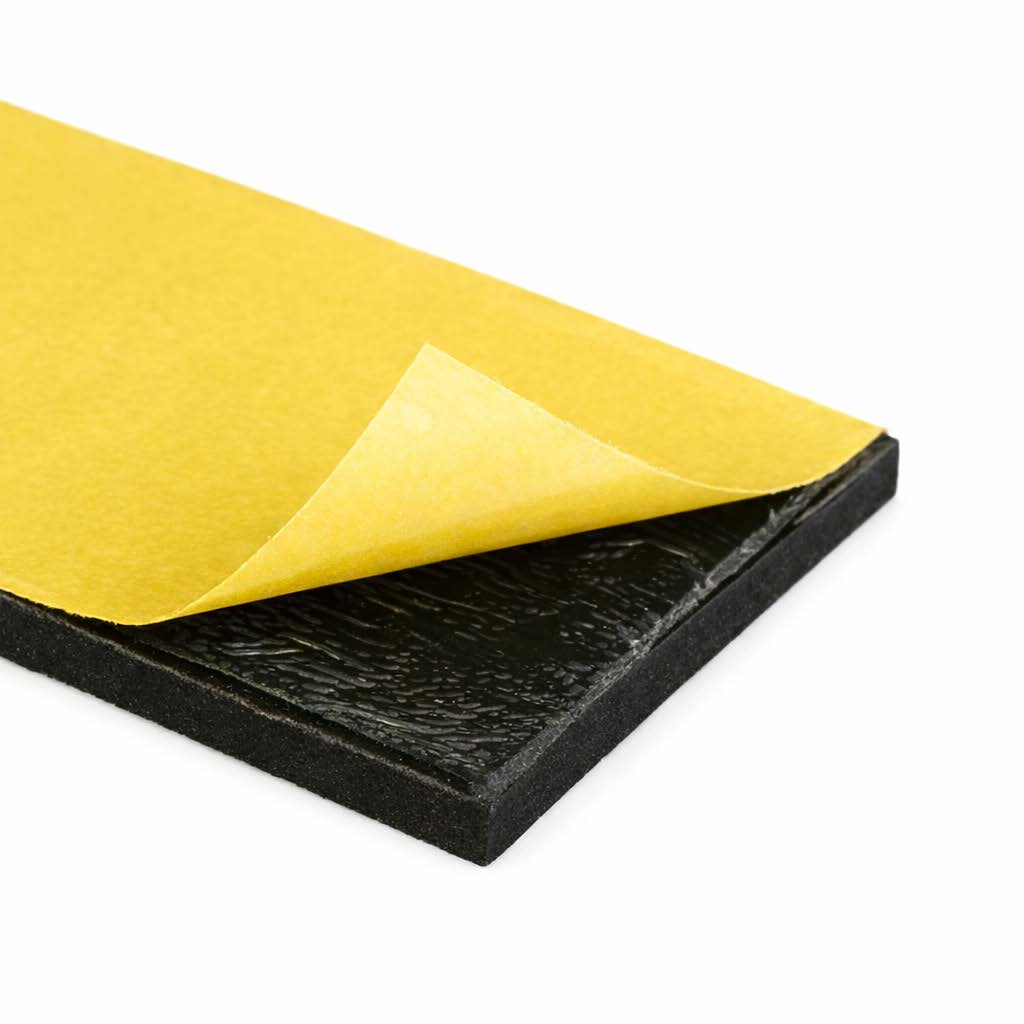
EPDM rubber strips

EPDM rubber strips

Item name Thickness Max Length Max Width
EPDM rubber strips 0.5 mm 0.5 mm 2000 mm 1000 mm
EPDM rubber strips 1 mm 1 mm 2000 mm 1000 mm
EPDM rubber strips 1.5 mm 1.5 mm 2000 mm 1000 mm
EPDM rubber strips 2 mm 2 mm 2000 mm 1000 mm
EPDM rubber strips 3 mm 3 mm 2000 mm 1000 mm
EPDM rubber strips 4 mm 4 mm 2000 mm 1000 mm
EPDM rubber strips 5 mm 5 mm 2000 mm 1000 mm
EPDM rubber strips 6 mm 6 mm 2000 mm 1000 mm
EPDM rubber strips 8 mm 8 mm 2000 mm 1000 mm
EPDM rubber strips 10 mm 10 mm 2000 mm 1000 mm
EPDM rubber strips 12 mm 12 mm 2000 mm 1000 mm
EPDM rubber strips 15 mm 15 mm 2000 mm 1000 mm
EPDM rubber strips 18 mm 18 mm 2000 mm 1000 mm
EPDM rubber strips 20 mm 20 mm 2000 mm 1000 mm
EPDM rubber strips 25 mm 25 mm 2000 mm 1000 mm
EPDM rubber strips 30 mm 30 mm 2000 mm 1000 mm
EPDM rubber strips 35 mm 35 mm 2000 mm 1000 mm
EPDM rubber strips 40 mm 40 mm 2000 mm 1000 mm
EPDM rubber strips 45 mm 45 mm 2000 mm 1000 mm
EPDM rubber strips 50 mm 50 mm 2000 mm 1000 mm
EPDM rubber strips are available cut to size. Larger dimensions and custom shapes can be supplied on request.

View full details

Request a quote

Standard sheet size will be read from Size (Width × Length). If you need a larger size or a thickness that’s not listed, please mention it in Notes.
2D schematic
Top view (2D)
Live preview
Pieces per sheet:
Sheets needed (estimate):
Estimate only: actual yield can vary due to cutting kerf/tool thickness (especially on thicker sheets), which may reduce usable dimensions by a few millimeters.

Applications of EPDM rubber strips

EPDM strips and EPDM rubber cut strips are typically used for low-pressure pipe seals, gaskets, weatherstripping and other external sealing tasks where exposure to ozone, UV and moisture is expected. Their combination of elasticity, weather resistance and retained flexibility at lower temperatures makes them suitable for HVAC profiles, window and door seals, cable entry sealing and general-purpose trim or cushioning in industrial assemblies. EPDM is less suitable for applications involving prolonged contact with oils, fuels or aromatic solvents, or where continuous high temperatures or high hydraulic pressures are present; in such cases alternative elastomers are often selected. Standard product options can be found in the rubber-strips collection.

EPDM rubber strips Specifications

Hardness: 60–80 Shore A
Density: 1.10–1.30 g/cm³
Tensile Strength: 7–12 MPa
Elongation at Break: 250–400 %
Temperature Range: −40 °C to +120 °C
Resistance: water, UV, ozone, weathering


EPDM rubber has excellent resistance to water, UV radiation, ozone and weathering, but is not recommended for applications involving oil or fuel exposure.

Custom EPDM rubber strips

We can CNC-cut rubber sheets into strips, gaskets, or rings. Additionally, we are able to extrude rubber into virtually any shape. Contact our team to discuss your projects or inquiries.

Custom Rubber products

FAQ

What is EPDM rubber strips?

EPDM rubber strips are cut strips made from EPDM elastomer or an EPDM/SBR blend supplied for sealing and weatherproofing tasks. This product is a general-purpose, medium-grade material intended for use as gaskets, seals and weatherstrip where flexibility and resistance to outdoor ageing are required.

What are EPDM rubber strips used for?

EPDM rubber strips are commonly used for low-pressure pipe seals, gaskets, weatherstripping, window and door seals, edge protection and basic vibration damping. They serve general sealing and protective functions in applications exposed to ambient weather and moisture.

Can EPDM rubber strips be used with oils, fuels or solvents?

EPDM rubber is generally resistant to water, ozone and weathering but is not recommended for contact with mineral oils, fuels or many organic solvents. For applications involving hydrocarbon exposure, consider alternative elastomers and consult the technical team for material selection guidance.

How should EPDM rubber strips be cut and bonded during installation?

EPDM rubber strips can be cut using a sharp knife, shear or other suitable cutting tool and should be fitted to clean, dry surfaces. For permanent joints, use adhesives specified as compatible with EPDM or employ mechanical fixing methods where appropriate. For adhesive product recommendations and installation advice, contact the technical team.