
Skip to product information
1 of 1

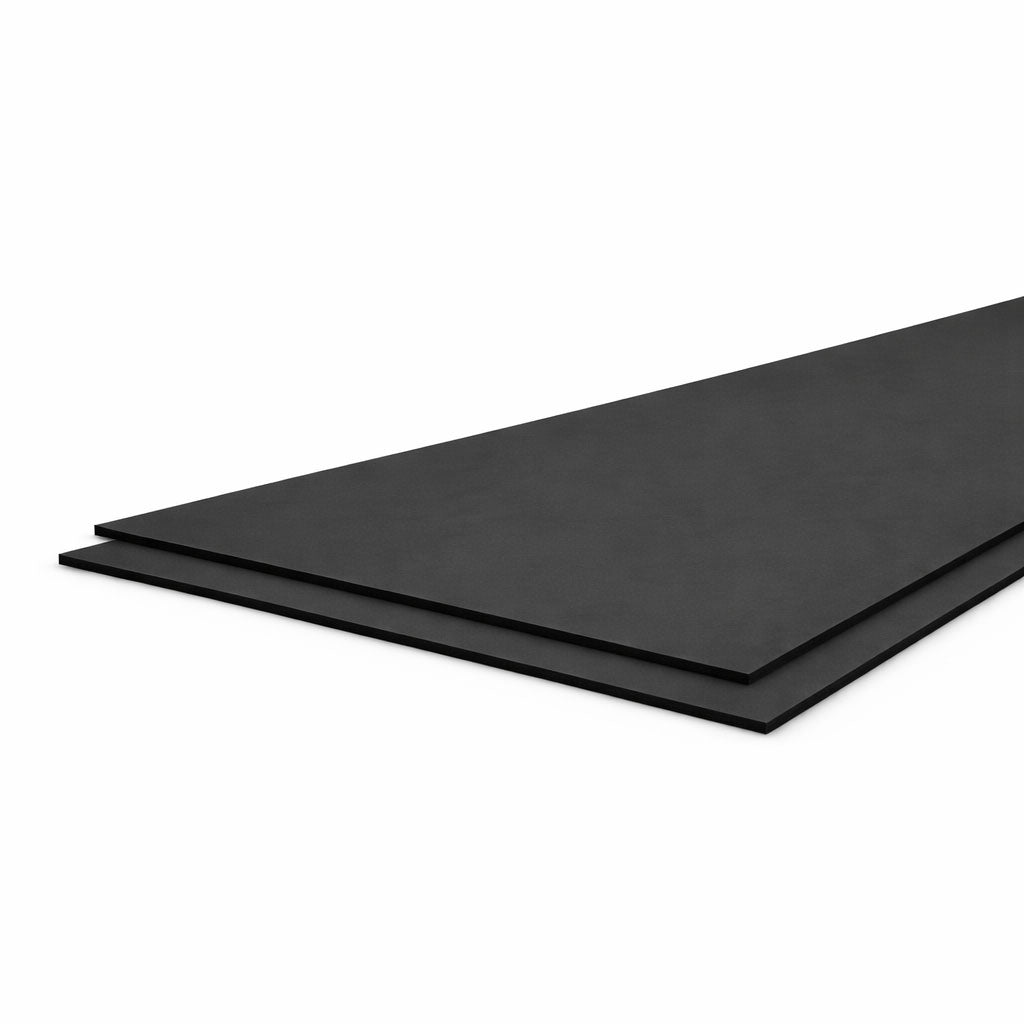
FKM rubber gasket sheets

FKM rubber gasket sheets

View full details
Item name Thickness Max Length Max Width
FKM rubber gasket sheets 0.25 mm 0.25 mm 2000 mm 1000 mm
FKM rubber gasket sheets 0.3 mm 0.3 mm 2000 mm 1000 mm
FKM rubber gasket sheets 0.4 mm 0.4 mm 2000 mm 1000 mm
FKM rubber gasket sheets 0.5 mm 0.5 mm 2000 mm 1000 mm
FKM rubber gasket sheets 0.6 mm 0.6 mm 2000 mm 1000 mm
FKM rubber gasket sheets 0.75 mm 0.75 mm 2000 mm 1000 mm
FKM rubber gasket sheets 0.8 mm 0.8 mm 2000 mm 1000 mm
FKM rubber gasket sheets 1 mm 1 mm 2000 mm 1000 mm
FKM rubber gasket sheets 1.2 mm 1.2 mm 2000 mm 1000 mm
FKM rubber gasket sheets 1.5 mm 1.5 mm 2000 mm 1000 mm
FKM rubber gasket sheets 2 mm 2 mm 2000 mm 1000 mm
FKM rubber gasket sheets 2.5 mm 2.5 mm 2000 mm 1000 mm
FKM rubber gasket sheets 3 mm 3 mm 2000 mm 1000 mm
FKM rubber gasket sheets 3.2 mm 3.2 mm 2000 mm 1000 mm
FKM rubber gasket sheets 4 mm 4 mm 2000 mm 1000 mm
FKM rubber gasket sheets 5 mm 5 mm 2000 mm 1000 mm
FKM rubber gasket sheets 6 mm 6 mm 2000 mm 1000 mm
FKM rubber gasket sheets 8 mm 8 mm 2000 mm 1000 mm
FKM rubber gasket sheets 10 mm 10 mm 2000 mm 1000 mm
FKM rubber gasket sheets are available cut to size. Larger dimensions and custom shapes can be supplied on request.

Request a quote

Standard sheet size will be read from Size (Width × Length). If you need a larger size or a thickness that’s not listed, please mention it in Notes.
2D schematic
Top view (2D)
Live preview
Pieces per sheet:
Sheets needed (estimate):
Estimate only: actual yield can vary due to cutting kerf/tool thickness (especially on thicker sheets), which may reduce usable dimensions by a few millimeters.

Applications of FKM rubber gasket sheets

FKM rubber gasket sheets are typically used for O-rings, gaskets, seals and other critical components in oil and gas, chemical processing, automotive fuel systems and hydraulic equipment where resistance to hydrocarbons, oils and elevated temperatures is required. The material is selected for low compression set, strong tensile properties and resistance to thermal ageing, which supports long service life in sheeting and Viton sealing material applications and aligns with common FKM specifications; comparable items include fkm-rubber and rubber-gasket-sheets. FKM may be less suitable where low-temperature flexibility, continuous steam exposure or prolonged contact with strong alkalis is needed, or where higher dynamic elasticity at subzero temperatures is critical.

FKM rubber gasket sheets specifications

FKM Rubber (Viton®)

Hardness: 70–90 Shore A
Density: 1.80–1.95 g/cm³
Tensile Strength: 10–20 MPa
Elongation at Break: 150–300 %
Temperature Range: −20 °C to +200 °C


FKM (Viton®) rubber offers excellent resistance to oil, fuel, chemicals and high temperatures, making it suitable for demanding industrial applications.

Custom production

In addition to standard FKM rubber gasket sheets, we can CNC cut custom shapes and dimensions to your drawing. Suitable for prototypes, small series and repeat production.

FAQ

What is FKM rubber gasket sheet?

FKM rubber gasket sheet is a sheeting material made from fluoroelastomer (commonly known by the trade name Viton). It is formulated for sealing applications and offers properties such as good compression set resistance and tensile strength, making it suitable for manufacturing O-rings, gaskets and other sealing components.

What are FKM gasket sheets used for?

FKM gasket sheets are used to fabricate sealing elements including O-rings, cut gaskets, flange seals and custom seals for applications that require resistance to oils, fuels and elevated temperatures. Typical uses include fluid-handling seals, fuel-system components and seals in industrial equipment where chemical and thermal resistance are required.

What resistance properties does FKM Viton sealing material provide?

FKM (Viton) generally provides good resistance to hydrocarbons, many oils, fuels and a wide range of chemicals while retaining mechanical properties at elevated temperatures. It is less suitable for prolonged exposure to certain polar solvents, some amines and strong caustics. For specific media and operating conditions, consult the material compatibility data or request technical advice.

How should FKM gasket sheets be processed for sealing components?

FKM gasket sheets can be converted by conventional fabrication methods such as die-cutting, waterjet cutting, CNC profiling or stamping depending on sheet thickness and tolerances. Surfaces should be clean and dry before assembly; selection of adhesives or mechanical fastenings should follow compatibility and service requirements. For detailed processing recommendations and selection guidance contact the technical team.