
Skip to product information
1 of 1

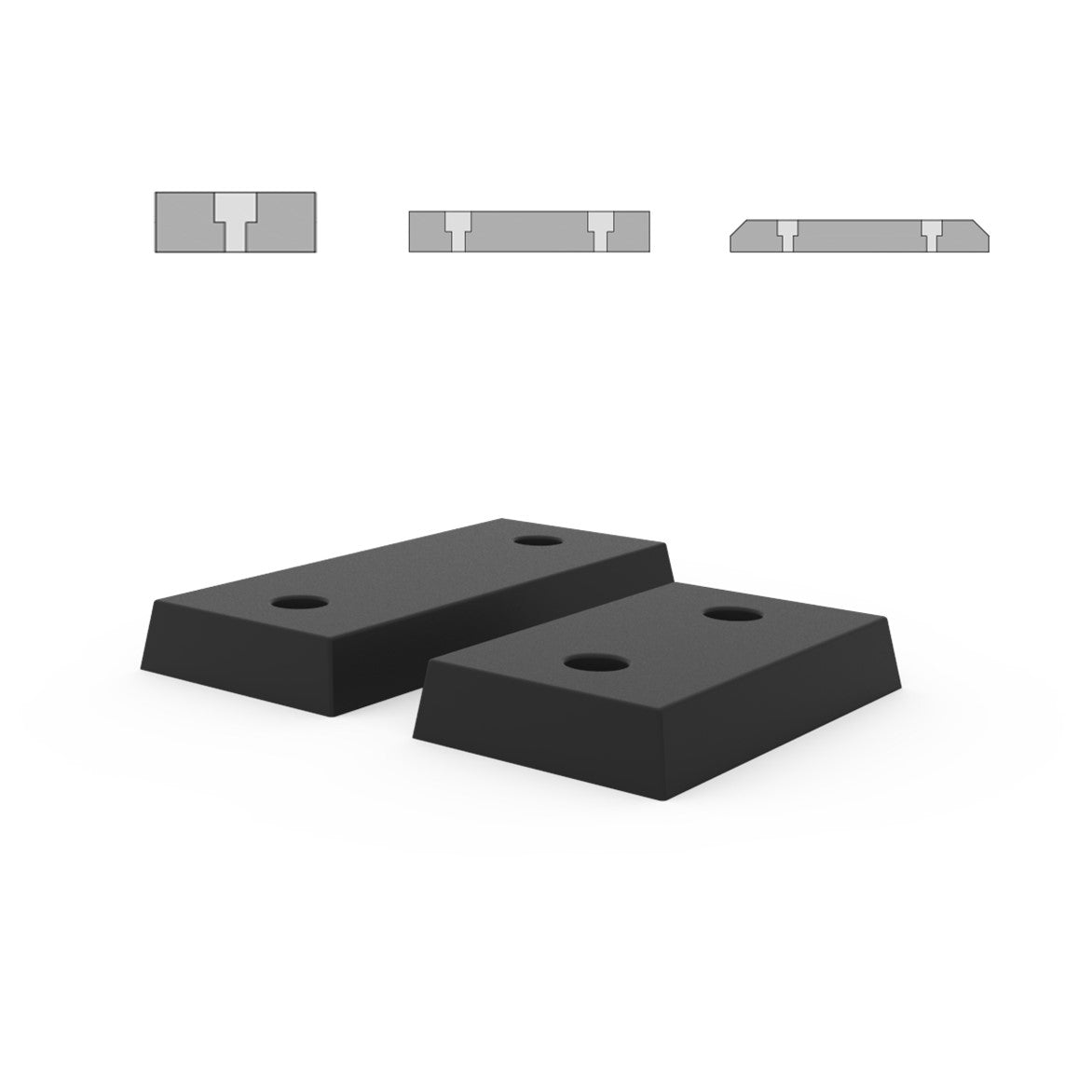
Loading bay dock bumpers

Loading bay dock bumpers

We can supply Loading bay dock bumpers in virtually any design and specification.

Custom production is possible based on technical drawings, material requirements, or performance criteria.

Most standard sizes are available from stock.

Contact us to discuss your requirements, and our technical specialists will guide you through the entire development and production process.
View full details

Contact us

We can manufacture many more custom products than those displayed on our website.

Contact us to discover all the possibilities if you didn't find what you are looking for.

What are loading bay dock bumpers

Loading bay dock bumpers are protective rubber elements installed at loading docks to absorb impact between vehicles and the dock structure. They act as a buffer during loading and unloading operations.

By reducing direct contact, dock bumpers help protect both the building and the vehicle from damage caused by repeated docking.

When do you need loading bay dock bumpers

Loading bay dock bumpers are required where trucks or trailers regularly reverse against a loading dock. They are especially important in environments with frequent loading cycles or heavy vehicle traffic.

Dock bumpers are used to minimise structural damage, reduce maintenance costs and improve operational safety at loading bays.

Applications of loading bay dock bumpers

Loading bay dock bumpers are commonly used in warehouses, distribution centres, industrial facilities and logistics hubs. They are installed on dock walls, platforms or loading bay edges.

These bumpers are suitable for both indoor and outdoor loading areas and are used wherever controlled impact protection is required during docking operations.

FAQ

What materials are available for loading bay dock bumpers and how do they affect performance?

Loading bay dock bumpers are commonly manufactured in rubber, nylon, steel and laminated configurations. Material choice influences energy absorption, abrasion and chemical resistance, and expected maintenance needs. Rubber loading dock protection typically offers high impact absorption and flexibility, while nylon and steel provide different wear and load-handling characteristics. Laminated assemblies combine materials to balance durability and cushioning. Select material based on vehicle types, dock geometry and operating conditions to achieve appropriate loading dock protection.

How do loading dock bumpers contribute to loading dock protection and asset safety?

Loading dock bumpers act as a sacrificial interface between vehicles and fixed dock structures, reducing impact forces transmitted to the building and loading equipment. By absorbing energy and preventing direct contact, bumpers limit structural damage to dock faces, door seals and vehicle bodies, and help maintain alignment for safe loading operations. Properly specified and mounted bumpers are part of a broader loading dock protection strategy that includes dock levelers, seals and operational procedures to reduce risk during material handling.

What are the maintenance and inspection requirements for rubber loading dock protection?

Maintenance for rubber loading dock protection focuses on regular visual inspections for cracks, excessive deformation, abrasion and displacement. Keep mounting areas clear of debris and check fastenings for corrosion or loosening. Replace components showing signs of significant wear or compromised energy-absorption capability. Routine inspections should be documented and integrated into facility maintenance schedules. For specific inspection intervals and condition criteria adapted to your operational context, contact our team for advice.

Can loading bay dock bumpers be customised for different docks and vehicle types?

Loading bay dock bumpers can be customised in material, profile, mounting arrangement and face configuration to suit various dock geometries and vehicle fleets. Customisation allows alignment with specific impact characteristics, clearance requirements and installation constraints. When specifying customised solutions, consider factors such as vehicle approach angle, repetitive impact loads and environmental exposure to ensure effective loading dock protection. Our team can provide technical advice to match bumper selection to operational requirements.