
Skip to product information
1 of 1

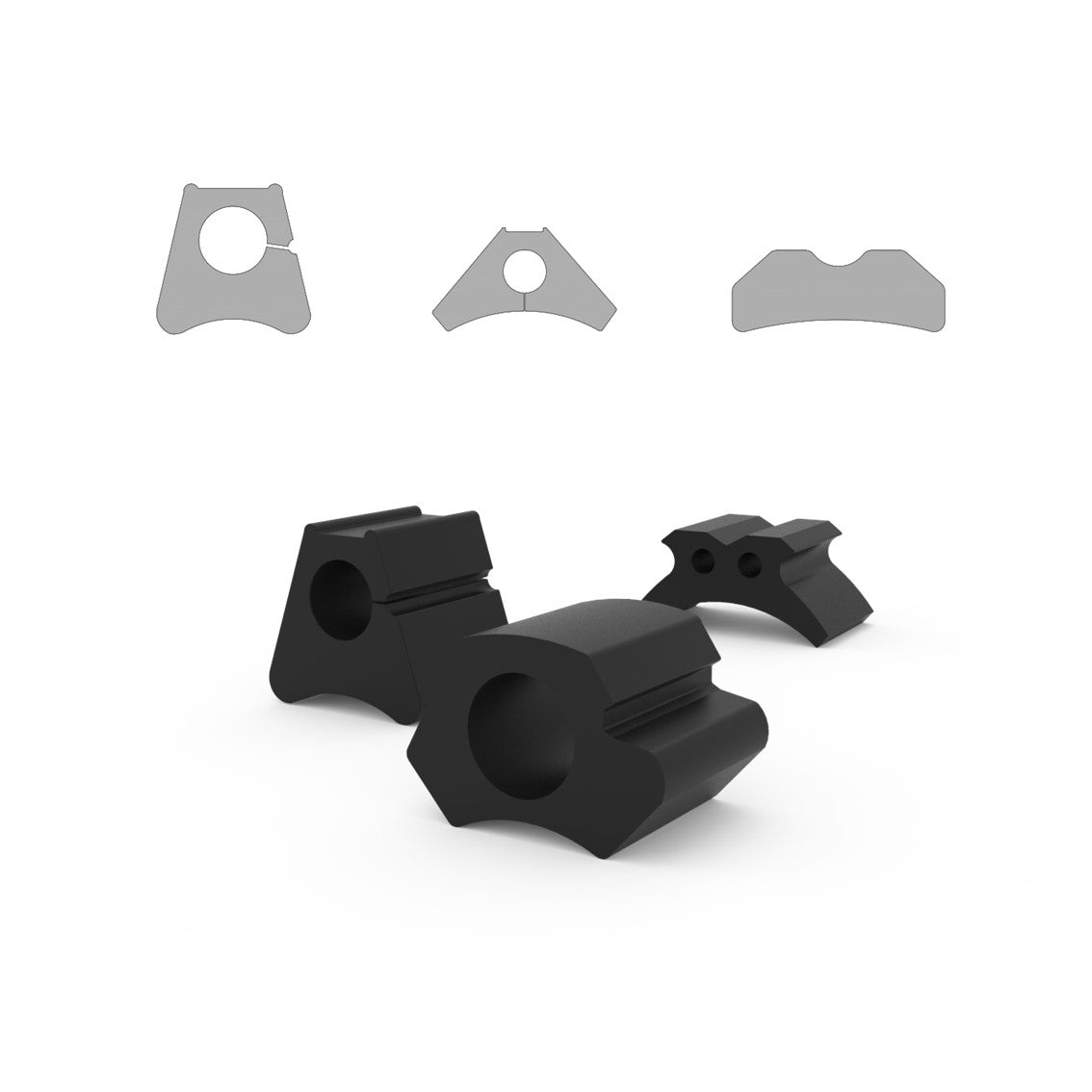
Piggy back blocks

Piggy back blocks

Our selection includes Piggy back blocks for a wide range of diameters, from the very small to the exceptionally large, ensuring a perfect fit for any project. Crafted from high-quality materials, our blocks are durable enough for the demanding conditions of the maritime industry. 
We can supply Piggy back blocks in virtually any design and specification.

Custom production is possible based on technical drawings, material requirements, or performance criteria.

Most standard sizes are available from stock.

Contact us to discuss your requirements, and our technical specialists will guide you through the entire development and production process.
View full details

Contact us

We can manufacture many more custom products than those displayed on our website.

Contact us to discover all the possibilities if you didn't find what you are looking for.

What are piggy back blocks?

Piggy back blocks are used in pipeline projects where two pipes are installed together. A smaller pipe is positioned alongside a main pipeline and supported at a fixed distance.

How piggy back blocks are used

The blocks are placed between the pipes to maintain spacing and help keep the piggyback line stable during installation and operation.

Piggy back blocks within a piggyback system

Piggy back blocks are typically part of a larger piggyback system that may include clamps or saddles, depending on the project design.

View the full range of piggy back blocks here: /collections/piggy-back-blocks
FAQ

What is a piggy back block?

A piggy back block is a simple support and spacing component used when two pipes are installed together. It keeps a smaller pipe at a fixed distance from a main pipeline.

What is a piggyback line?

A piggyback line is a secondary pipe that is attached to a main pipeline so both pipes can be handled and installed as one unit.

Why are piggy back blocks used?

They are used to maintain spacing between pipes, support the smaller line, and reduce movement between the pipes.

What do piggy back blocks do?

They help keep two pipes aligned, maintain a consistent gap, and share loads between the pipes during installation and operation.

Are piggy back blocks the same as piggyback clamps?

No. Piggyback clamps are mainly used to fix pipes together, while piggy back blocks are used to create spacing and support. They are often used together in the same system.

Are piggy back blocks the same as piggyback saddles?

A saddle supports the piggyback pipe in a shaped holder, while a block is mainly used for spacing and basic support. The exact setup depends on the system design.

Where are piggy back blocks used?

They are used in pipeline projects where an extra line needs to run alongside a main pipeline, both onshore and offshore.

Do piggy back blocks protect the pipes?

Yes. By keeping pipes separated and stable, they help reduce contact and wear between the pipes.

How are piggy back blocks positioned?

They are placed at intervals along the pipeline, depending on the pipe sizes, loads, and installation method.

Are piggy back blocks part of a piggyback system?

Yes. They are often one component within a larger piggyback system that includes different types of supports and fixations.

Are piggy back blocks only used during installation?

No. They can also play a role during operation by helping to keep the piggyback line in position over time.