

Contact us
FAQ
What are self adhesive rubber strips and where are they typically used?
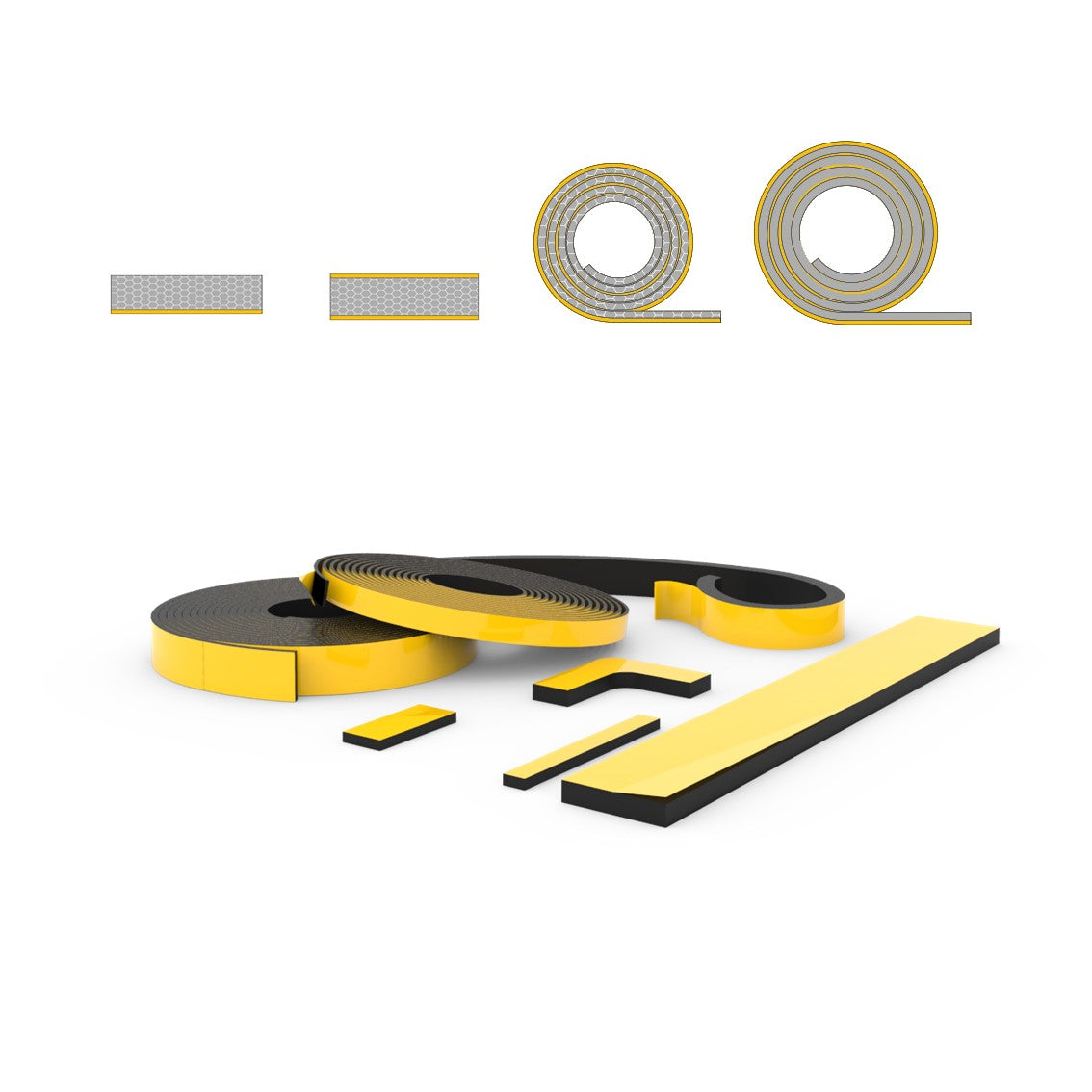
Self adhesive rubber strips are rubber profiles supplied with a pressure-sensitive adhesive backing intended for attachment to clean, dry substrates. They are used for sealing, gasketing, vibration damping, edge protection, and insulation in industrial, commercial and maintenance contexts. Materials and adhesive types vary to suit specific operational environments. Selection should be based on substrate compatibility and service conditions; for technical guidance on material choice and available formats, contact our team for advice.
How should I prepare surfaces and install self adhesive rubber strips for effective adhesion?
Prepare the mounting surface by removing dust, oils and loose contaminants; ensure the surface is dry and structurally sound. Apply the self adhesive rubber strip with uniform pressure along its length to promote contact between adhesive and substrate. For uneven or porous surfaces consider a compatible primer or backer material. Avoid applying to surfaces that are wet, frozen or heavily contaminated. For product-specific surface preparation, adhesive compatibility or recommended application procedures, contact our team for advice and technical support.
What rubber materials and adhesive types are available for self adhesive rubber strips, and how do I choose?
Self adhesive rubber strips are offered in a range of elastomer materials (for example neoprene, EPDM and silicone) and with different adhesive chemistries. Material selection should consider operating temperature range, exposure to oils, fuels or chemicals, UV and ozone resistance, and required flexibility or hardness. Adhesive choice affects bond strength and substrate compatibility. Review technical datasheets for specific performance criteria and consult our team for assistance matching material and adhesive properties to your application requirements.
How can self adhesive rubber strips be cut, removed and maintained?
Self adhesive rubber strips can be trimmed and shaped on-site using knives, shears or routing tools appropriate to the material. When removing strips, apply steady mechanical force; heat or a compatible solvent may assist adhesive softening but test solvents on an inconspicuous area first to avoid substrate damage. Clean remaining residue with a solvent compatible with the substrate and rubber material. For maintenance, inspect seals regularly for wear, displacement or adhesive failure. For removal techniques, solvent recommendations and safe handling advice, contact our team.
Related collections
-
Cellular rubber
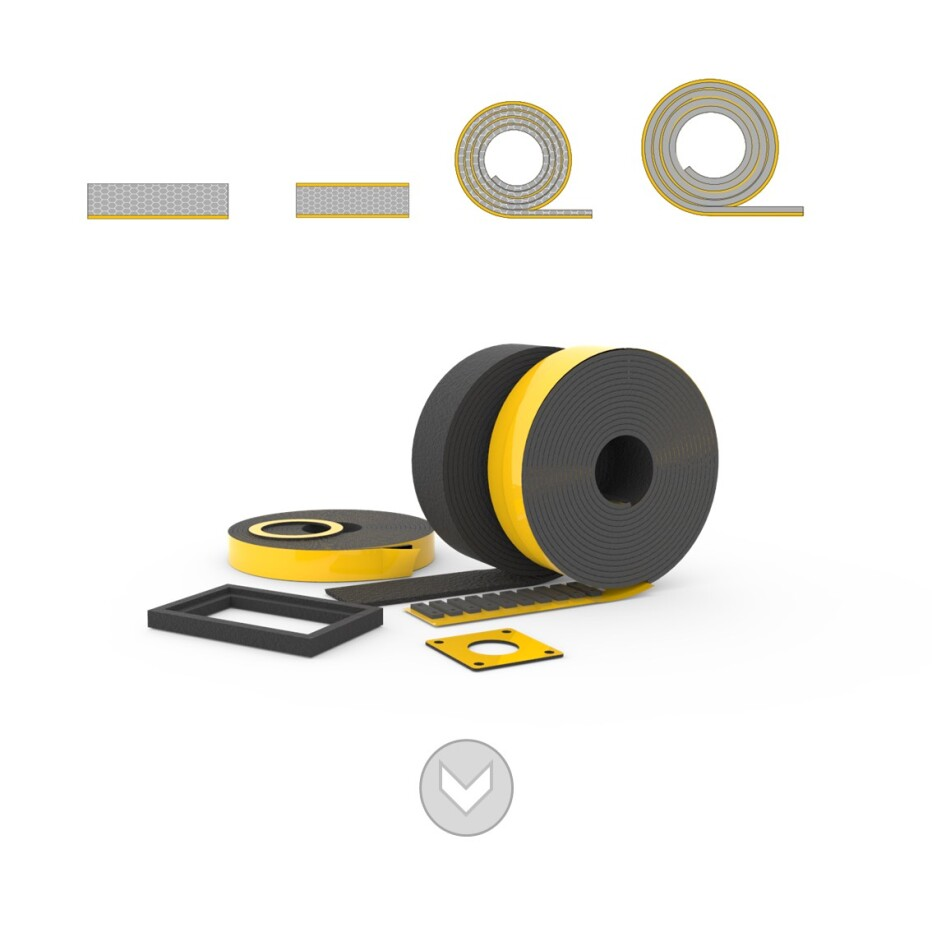
What is cellular rubber Cellular rubber is a flexible rubber material with...
-

Foam rubber
What is foam rubber Foam rubber is a flexible material with a...
