

-
UHMWPE sheets
Regular price €0,01 EURRegular priceUnit price per -
UHMWPE strips
Regular price €0,01 EURRegular priceUnit price per


Customized and specialized UHMWPE options
Related product groups
-

Polyethylene (PE)
What is polyethylene (PE)? Polyethylene (PE) is a widely used thermoplastic polymer...
-

Plastic Sheets
What are plastic sheets? Plastic sheets are flat plastic panels used in...
-
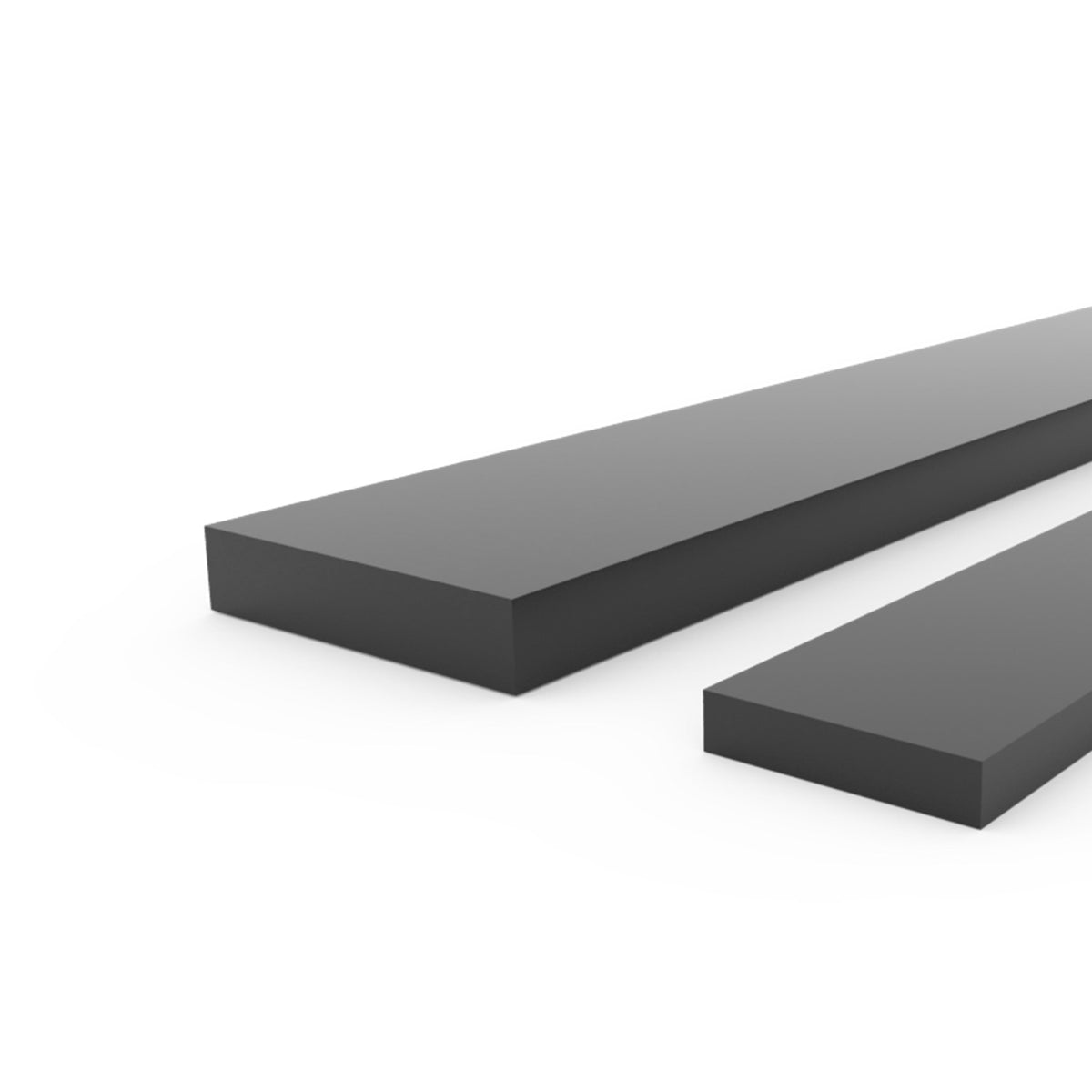
Plastic Strips
What are plastic strips? Plastic strips, sometimes referred to as polymer strips...


-

Extensive inventory
Explore our extensive range of UHMWPE, readily available for fast delivery, thanks to our well-maintained stock, ensuring fast fulfillment of your orders.
-

Bespoke custom types
We have the capacity to manufacture UHMWPE according to client drawings or specifications, utilizing a wide range of materials to meet your needs.
-
Fast delivery in the EU & UK
Our strategic location close to the Port of Rotterdam, enables us to provide rapid and efficient deliveries to customers across Europe.
-

Competitively priced products
With our manufacturing expertise and advanced facilities, we provide quality products at competitive prices. Request a free quote today.
-

+ 50 years of industry experience
With over 50 years of industry experience, our experienced team is ready to assist you. Feel free to contact us with any questions about our products or services.
FAQ
What is UHMWPE?
UHMWPE stands for Ultra High Molecular Weight Polyethylene.
It is a very strong plastic with high wear resistance and low friction.
UHMWPE is often used for industrial and technical applications.
What is UHMWPE used for?
UHMWPE is used in applications where wear, impact, or sliding is important.
Common uses are wear strips, guide rails, liners, and sliding parts.
Is UHMWPE used in bulletproof vests?
Yes, UHMWPE is used in bulletproof vests, but in a different form.
Bulletproof vests use UHMWPE fibers, not solid UHMWPE sheets or strips.
UHMWPE sheets and strips are not made or tested for ballistic protection.
Is UHMWPE bulletproof?
No, solid UHMWPE sheets and strips are not bulletproof.
Only special UHMWPE fibers that are layered and tested are used for ballistic protection.
What is the difference between UHMWPE fibers and UHMWPE sheets?
UHMWPE fibers are very thin and used for high tensile strength applications.
UHMWPE sheets and strips are solid plastic materials used for wear and sliding.
They are made from the same base material, but used in a different way.
How strong is UHMWPE?
UHMWPE is very strong and impact resistant.
It does not break easily and performs well under repeated stress.
It is stronger than many standard plastics, but not made for high temperatures.
How does UHMWPE react to heat?
UHMWPE does not handle high temperatures very well.
For long-term use, it is usually used up to about 80°C.
At higher temperatures, the material can become soft and deform.
Is UHMWPE the same as HDPE?
No, UHMWPE and HDPE are not the same, but they are related.
Both are types of polyethylene (PE).
UHMWPE has higher wear resistance, while HDPE is stiffer and easier to machine.
Does UHMWPE look the same as HDPE?
Yes, UHMWPE looks almost the same as HDPE.
Both materials are usually white and have a smooth surface.
The difference is in performance, not in appearance.
Can UHMWPE be machined or cut?
Yes, UHMWPE can be cut and machined with standard tools.
Saws, drills, and milling machines are commonly used.
Sharp tools help to get clean edges.