
Skip to product information
1 of 1

Sponge rubber

Sponge rubber

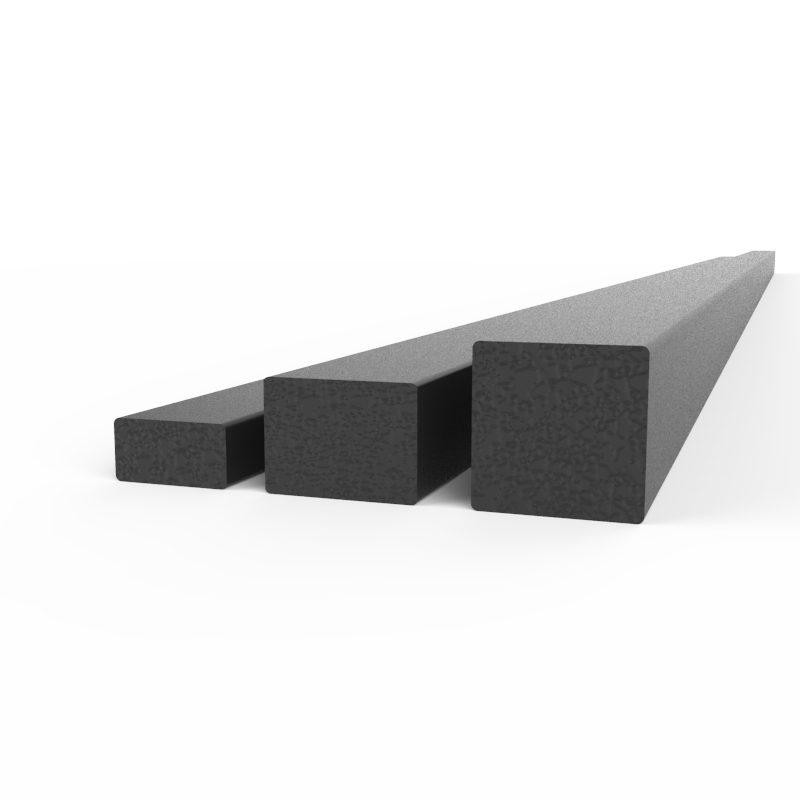
Sponge rubber extruded seals are produced in a wide range of cellular profiles, densities and durometers to address common sealing and cushioning requirements. These foam rubber materials offer compressibility, low compression set and good resilience, providing effective sealing against dust, splash and vibration. Material options and cell structure (open or closed cell) influence moisture ingress, thermal performance and chemical resistance.

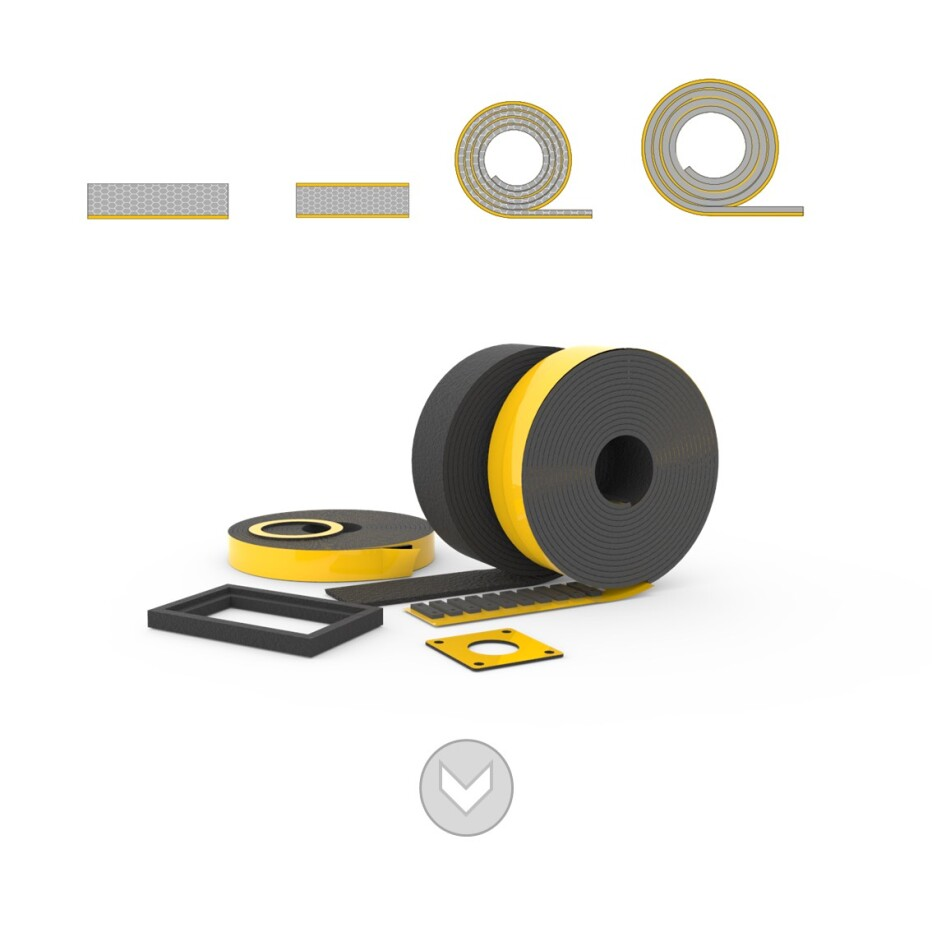
Available as extrusions, strips, sheets and bespoke die-cuts, sponge rubber seals are suitable for gaskets, edge seals, door and enclosure applications. For product variants and technical specification guidance see the foam and sponge rubber collection, or contact our team for technical advice.

We can supply Sponge rubber in virtually any design and specification.

Custom production is possible based on technical drawings, material requirements, or performance criteria.

Most standard sizes are available from stock.

Contact us to discuss your requirements, and our technical specialists will guide you through the entire development and production process.
View full details

Contact us

We can manufacture many more custom products than those displayed on our website.

Contact us to discover all the possibilities if you didn't find what you are looking for.

FAQ

What is sponge rubber and how does it differ from solid rubber?

Sponge rubber is a cellular elastomer containing a network of closed or open cells that reduce density and increase compressibility compared with solid rubber. The cellular structure provides enhanced shock absorption, sealing under low compression, and improved thermal and acoustic insulation characteristics. Performance and properties vary by base polymer and cell structure, so material selection should be based on the functional requirements of the application rather than assuming uniform behaviour across all sponge rubbers.

What are typical industrial applications for sponge rubber profiles?

Sponge rubber profiles are used where compressible sealing, cushioning, or insulation is required. Common uses include door and window seals, gaskets, edge trims, vibration-damping pads, and thermal or acoustic insulation elements. Selection depends on environmental conditions and functional demands such as sealing pressure, movement accommodation, and exposure to mechanical abrasion or chemicals. The cellular nature of sponge rubber makes it suitable for applications that require deformation to fill irregular gaps.

How should I select the right sponge rubber profile for my application?

Selecting an appropriate profile requires assessing operating conditions and functional needs, including expected compression range, mechanical loading, exposure to temperature extremes, contact with oils or solvents, and desired service life. Consider the profile shape needed for installation and sealing contact, and verify material compatibility with the service environment. Requesting technical data, samples, or recommendations from the supplier helps validate performance under intended conditions before full-scale procurement.

How resistant is sponge rubber to chemicals, UV and weathering?

C hemical resistance and weathering performance depend on the base elastomer and any additives used in the sponge formulation. Some sponge rubbers provide improved resistance to oils, fuels, solvents, ozone and ultraviolet exposure, while others are more susceptible. Material-specific technical data should be consulted to determine suitability for a given chemical or outdoor exposure. For critical environments, laboratory compatibility testing or supplier-provided resistance charts are recommended prior to selection.

Can sponge rubber profiles be cut, bonded or fabricated on site?

Sponge rubber profiles can typically be trimmed, die-cut or cut to length using appropriate tools, and they can be joined or bonded using adhesives compatible with the substrate and elastomer. Mechanical fasteners or overmolding are alternative attachment methods depending on design constraints. Fabrication methods and adhesive choices should be verified with the material supplier to ensure compatibility and to maintain sealing or mechanical performance.

What are recommended cleaning and maintenance practices for sponge rubber seals?

Maintenance generally involves periodic inspection for wear, compression set, or damage, and cleaning with mild detergent and water where appropriate. Avoid prolonged exposure to harsh solvents or abrasive cleaners that can degrade the elastomer or cell structure. Replace seals that show significant deformation, cracking, or loss of sealing function. For critical applications, follow a documented inspection schedule and retain spare parts to minimise downtime.

Are custom sizes and profiles available for specific applications?

Many suppliers offer a range of standard profiles and can accommodate custom extrusions or die-cut components to meet specific dimensional or functional requirements. Customisation typically involves specifying material grade, cell structure, profile geometry and installation features. Discussing application requirements with the supplier enables evaluation of feasibility, tooling needs and lead times. For bespoke parts, provide technical drawings and environmental conditions to ensure the design meets operational needs.

Sponge rubber and foam rubber applications

Sponge rubber extrusions and foam rubber profiles are used where compression sealing, cushioning or vibration damping are required in industrial and marine environments. Extruded sponge sections are produced in a wide range of cross-sections to address door, hatch and enclosure seals, cableway and deck penetration sealing, and general gasket duties. Materials include open-cell and closed-cell foam variants that influence water ingress, compressibility and recovery; selection depends on the specific operating environment and service conditions.

Sizes, profiles and technical support

Profiles are available in many shapes and sizes to suit different sealing gaps and installation methods; custom extrusions and machining are commonly specified for bespoke applications. Relevant product families and material options can be reviewed in the foam and sponge rubber collection and the cellular and foam rubber products. Technical information, typical property ranges, and sample pieces may be provided on request to support specification and procurement decisions. For application advice, procurement guidance or to discuss suitable profiles for a project, contact our team; RuplaTec supplies technical rubber and plastic products to industrial and marine customers and can assist with material selection and compatibility considerations.

FAQ

What is sponge rubber (foam rubber) and how is it used in sealing applications?

Sponge rubber, also referred to as foam rubber, is a cellular elastomer used where compressibility and resilience are required. In sealing applications it provides gaps filling, vibration damping, cushioning and environmental sealing against dust, drafts and light moisture. Sponge rubber is commonly supplied as extruded profiles and can be selected for varying compressibility and recovery characteristics depending on the application. For material selection and application-specific advice, you can contact our team for guidance.

What profile options and sizes are available for sponge rubber extrusions?

Sponge rubber seals are manufactured into extruded profiles in a large range of shapes and sizes to suit different sealing challenges. Options typically include hollow sections, solid cords, D-profiles, and custom shapes produced by extrusion or machining from sheet. Profiles can be supplied in continuous lengths and may be cut to size or fabricated to specific shapes. Please contact our team with your required profile geometry so we can advise on suitable extrusion options and feasible production methods.

How should I choose the correct sponge rubber material for environmental and chemical exposure?

Material selection should be based on the intended environment, including exposure to oils, solvents, chemicals, UV, ozone, and temperature extremes. Different sponge rubber grades exhibit different resistance properties; therefore review of technical datasheets and compatibility testing with actual service fluids is recommended. For applications where resistance is critical, provide details of the operating environment so our team can recommend materials and testing approaches. Laboratory compatibility tests and sample trials are advised for high-risk applications.

What are the recommended installation and maintenance practices for sponge rubber seals?

Sponge rubber seals are commonly installed by compression fit, adhesive bonding, or mechanical retention depending on the profile and mating surfaces. Ensure mating faces are clean and appropriately prepared before bonding. Routine inspection for compression set, tearing or surface degradation is advisable, particularly in dynamic or harsh environments. Cleaning should use mild detergents and avoid aggressive solvents unless material compatibility is confirmed. For specific installation methods, adhesive recommendations or maintenance schedules, contact our team for technical advice tailored to your application.